

5 Things I Remind Myself Before the First Math Lesson
Simple reminders that help me build confident mathematicians all year long.
Every August, I find myself getting excited about a fresh start.
New students.
Fresh supplies.
A clean lesson planner.
It's tempting to focus on pacing guides, curriculum maps, and making sure everything is perfectly organized before the first day.
But over the years, I've realized that the things that make the biggest difference in my math block aren't the lessons themselves.
So before I even start to plan my first lesson, there are 5 things that I remind myself to prioritize. They help me focus on what really matters—and I hope they'll encourage you, too.
1. Start with routines, not rigor.
I know the pressure.
You look at the pacing guide and immediately start thinking,
"I have so much to cover."
But I've found that spending a little extra time teaching routines actually saves me time for the rest of the year.
Things like:
How do we transition into math?
What should students do if they finish early?
How do we use manipulatives?
How do we check our work?
Simple routines reduce confusion, which means students can spend more time actually learning.
It doesn't have to be fancy.
Consistency beats complexity every time.
2. Celebrate growth from Day One.
One of the easiest ways to build confidence is to help students notice their progress.
Not perfection.
Progress.
Maybe they solved one more fact today than yesterday.
Maybe they explained their thinking more clearly.
Maybe they stuck with a challenging problem instead of giving up.
Those little wins matter.
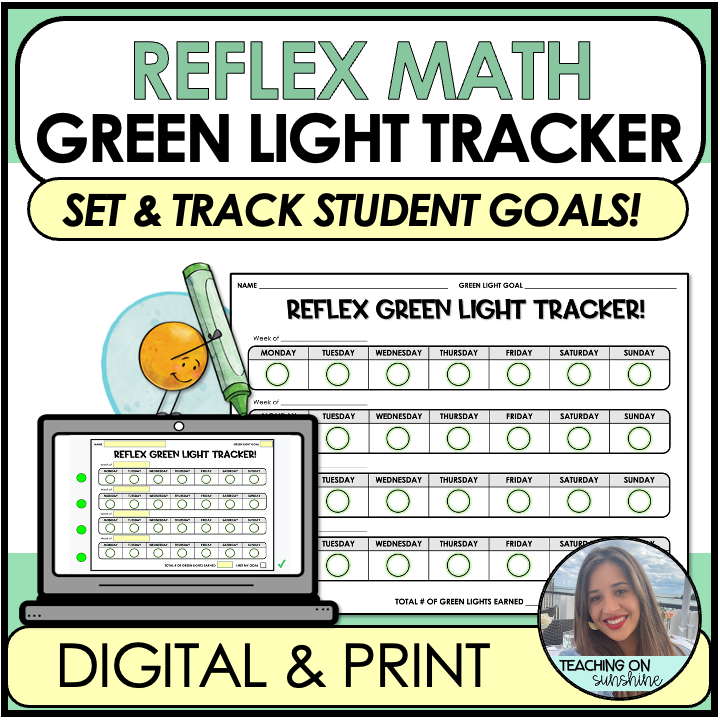
One of my favorite ways to celebrate growth is with simple progress trackers that let students see how far they've come.
My Reflex Math Green Light Tracker has become one of my favorite tools for helping students take ownership of their learning while celebrating every milestone along the way. One of the biggest confidence boosters for students is seeing their own progress.
3. Don't wait until October to teach estimation.
If I could go back and give my first-year teacher self one piece of math advice, it would be this:
Start teaching estimation from the very beginning.
Estimation isn't just another skill to check off.
It teaches students to think and it’s one of the best ways to build number sense!
When students estimate regularly, they begin asking themselves:
"Does this answer make sense?"
"Is my answer reasonable?"
"About how much should I expect?"
Those habits create flexible thinkers… not just students who only know how to follow steps.
That's why estimation is one of the first concepts I intentionally weave into my math block every year AND I rotate it in our spiral review.
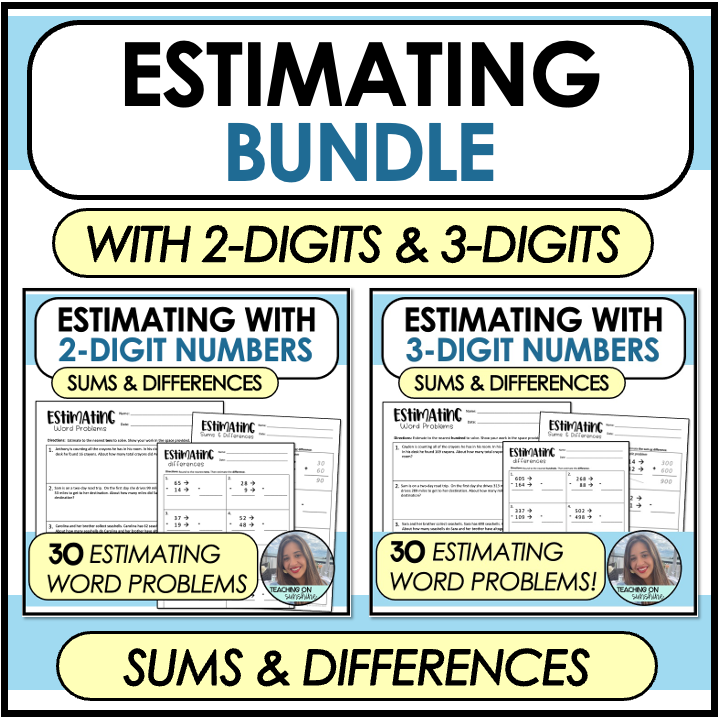
If you're looking for ready-to-use practice, my Estimating Sums & Differences Packet is one of my favorite resources for building number sense right from the start.
4. Encourage students to explain their thinking.
One of my favorite classroom questions is:
"How did you know?"
Not:
"What's the answer?"
But:
"How did you figure that out?"
When students explain their thinking, something special happens.
They begin organizing their ideas.
They hear different strategies from classmates.
And they start realizing there isn't always just one way to solve a problem.
Those conversations often become the most meaningful part of the lesson.
5. Make practice something students enjoy.
Let's be honest...
Students need repetition.
But that doesn't mean every practice page has to feel exactly the same.
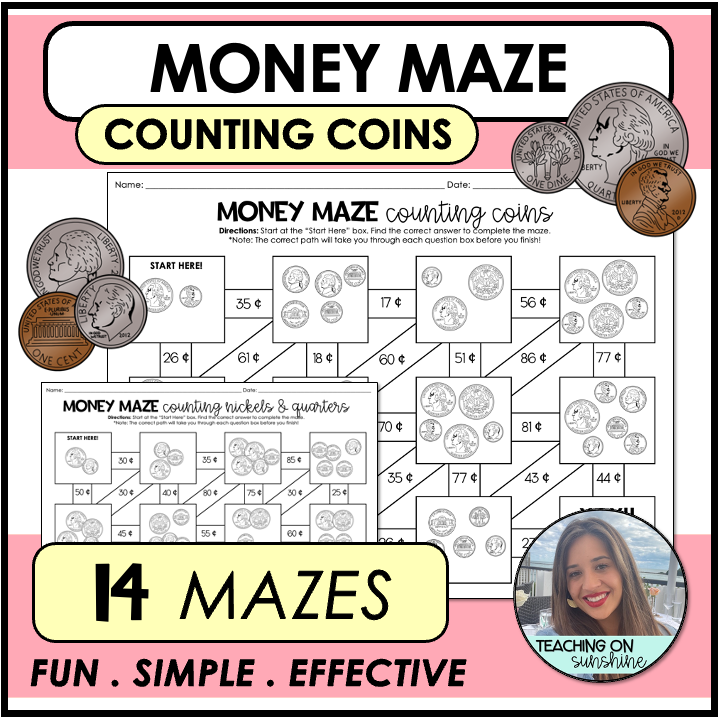
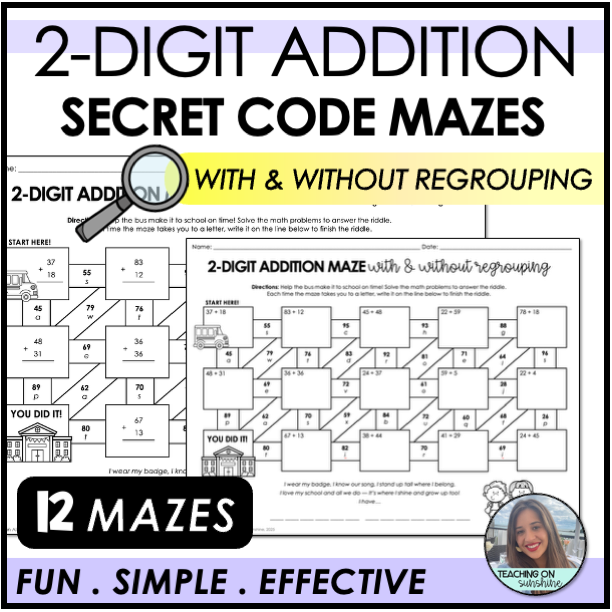
I've always loved mixing in activities that feel a little more like a challenge:
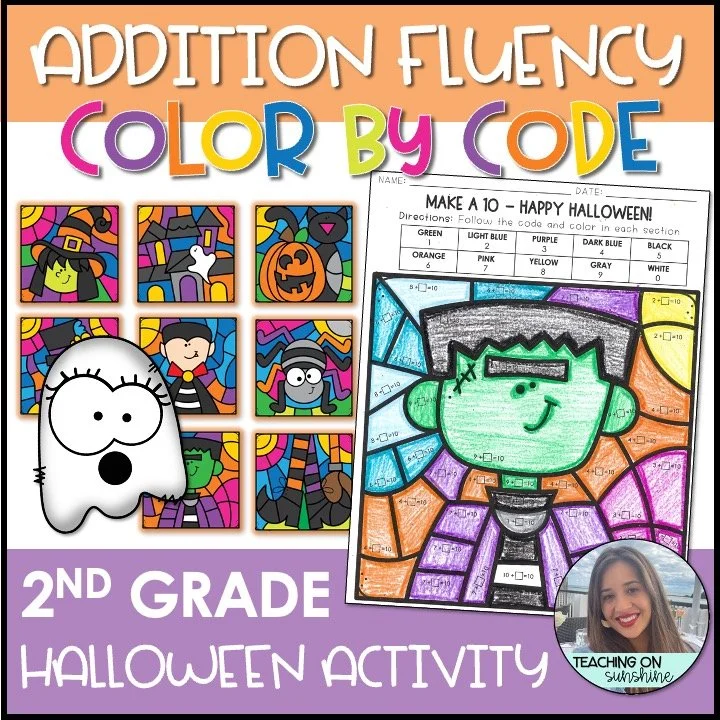
Color by Code
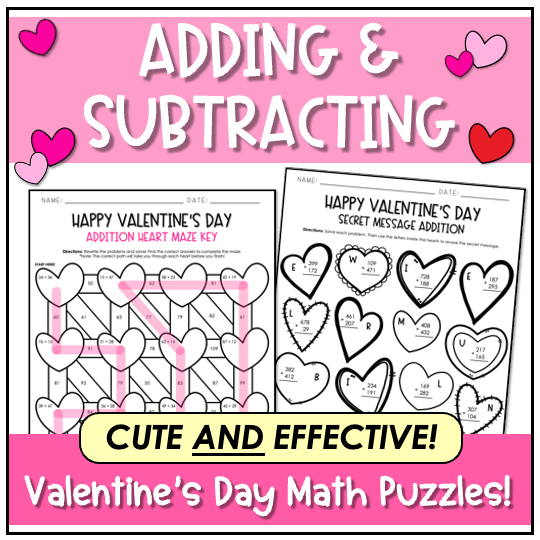
Secret Code activities
Math games
Partner challenges
Students are still strengthening important skills—they're just having a little more fun while they do it.
Sometimes changing how students practice is all it takes to increase engagement.
For MATH MAZES and SECRET CODE ACTIVITIES » CLICK HERE «
Final Thoughts
Every school year is different.
Every group of students is different.
But these five reminders have stayed with me through every season of teaching.
When I focus on routines instead of rushing...
When I celebrate progress instead of perfection...
When I help students think instead of memorize...
The rest of the year tends to fall into place.
So if you're standing at the beginning of another school year wondering where to start, I'd encourage you to start there.
Not with the curriculum.
Not with the pacing guide.
But with the kind of math classroom you want to build.
The lessons will come.
BUT the confidence you build during those first few weeks will last much longer.
Looking for a few ready-to-use resources?
If you're planning your math block for the new school year, here are three of my favorite resources that support the ideas in this post:
⭐ Reflex Math Green Light Tracker
⭐ Estimating Sums & Differences Packet
I hope they help make your school year just a little easier. ☀️
Jordan Alonso
